

In today’s rapidly evolving world, the pursuit of social justice and human rights has become more crucial than ever. As global citizens, it’s incumbent upon us to actively engage in promoting equality, fairness, and dignity for all individuals, regardless of race, gender, ethnicity, religion, or socioeconomic status. In this article, we delve deep into the essential principles, actionable strategies, and impactful initiatives driving the agenda of social justice and human rights.
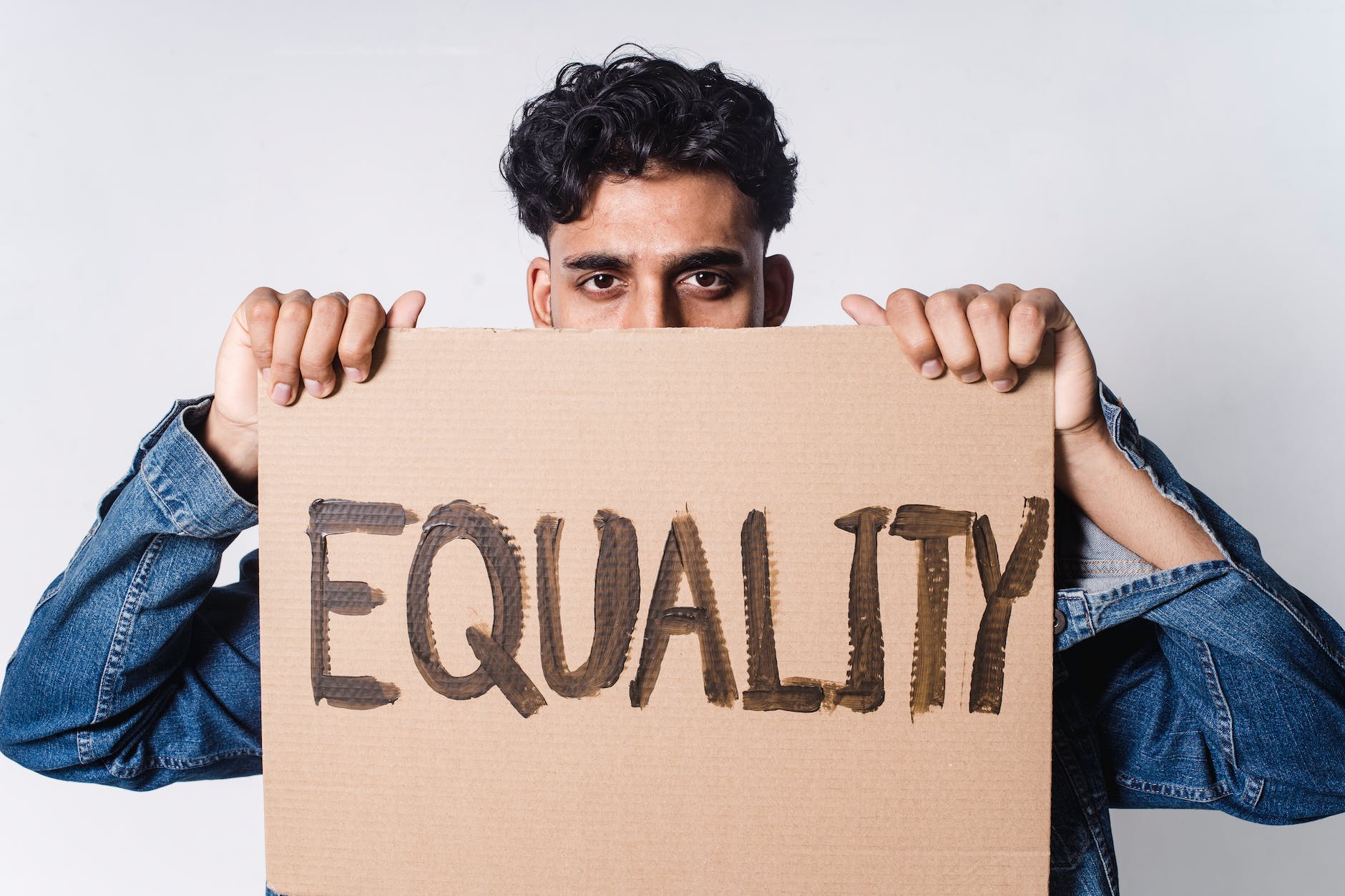
- Understanding Social Justice and Human Rights: At its core, social justice encompasses the fair and equitable distribution of resources, opportunities, and rights within society. Human rights, on the other hand, are inherent to all individuals by virtue of their humanity, encompassing civil, political, economic, social, and cultural rights.
- Key Issues and Challenges: Highlighting prevalent issues such as systemic racism, gender inequality, LGBTQ+ discrimination, income disparity, and marginalization of vulnerable populations is crucial for raising awareness and fostering empathy.
- Advocacy and Activism: Empowerment begins with advocacy and activism. Engage in grassroots movements, sign petitions, attend rallies, and amplify marginalized voices on social media platforms to effect meaningful change.
- Policy Reform and Legislative Action: Lobbying for policy reform and supporting legislative measures that uphold human rights and promote social justice are paramount. Stay informed about proposed laws, contact elected representatives, and advocate for progressive policies at local, national, and international levels.
- Education and Awareness: Education is a powerful tool for combating ignorance and prejudice. Support initiatives that promote diversity, inclusion, and multiculturalism in schools, workplaces, and communities. Foster open dialogues about privilege, bias, and systemic oppression to cultivate empathy and understanding.
- Intersectionality and Allyship: Recognize the interconnected nature of social justice issues and strive to be an ally to marginalized communities. Listen actively, educate yourself about intersecting identities, and leverage your privilege to advocate for those whose voices are often silenced.
- Corporate Social Responsibility: Hold corporations and businesses accountable for their ethical practices and commitment to social justice. Support companies that prioritize diversity, equity, and inclusion in hiring, product development, and corporate governance.
- Community Engagement and Volunteerism: Get involved in community-based organizations, nonprofit groups, and grassroots initiatives dedicated to social justice and human rights. Volunteer your time, skills, and resources to support underserved communities and advance collective empowerment.
- Media Representation and Storytelling: Demand authentic representation of diverse voices and experiences in mainstream media and entertainment. Support content creators, journalists, and filmmakers who prioritize inclusive storytelling and challenge stereotypes.
- Global Solidarity and Collaboration: Recognize that social justice is a global endeavor requiring solidarity and collaboration across borders. Support international organizations, human rights defenders, and humanitarian efforts aimed at promoting peace, justice, and equality worldwide.

In conclusion, achieving social justice and human rights requires collective action, unwavering commitment, and relentless advocacy. By embracing the principles of equality, empathy, and solidarity, we can create a more just, inclusive, and compassionate world for present and future generations.
Blogger Zakia

 BE THE CHANGE
Useful article on human right and social justice! 👌well shared.
LikeLiked by 1 person
Completely pleasure 💖, glad that you liked it. These days valuable readings can bring about positive impacts on a broader spectrum!
LikeLiked by 1 person
☺️🙏
LikeLiked by 1 person